
 Česká verze stránek
 Japan
Japan
Czech Hop Harvest Expected to Fall by Up to 25%
Water shortages and extreme temperatures are affecting hop production across the Czech Republic, with growers forecasting lower yields and weaker quality compared with average years.
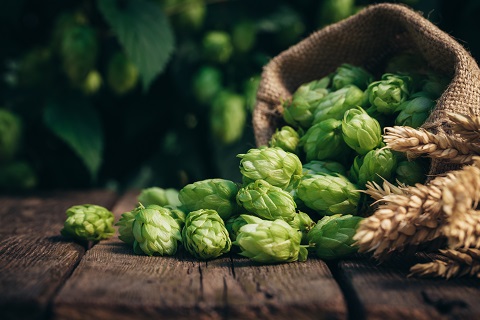
Czech hop growers expect this year's harvest to be up to 25% below the long-term average as prolonged drought, insufficient rainfall and high temperatures continue to affect production. Early harvest analyses also indicate reduced alpha acid content, one of the key quality indicators used by breweries. In the country's flagship Saaz variety, alpha acid levels could fall close to the lowest values recorded in recent decades.
According to the Czech Hop Growers Union, irrigation remains the most effective tool for mitigating both yield and quality losses. However, only around one quarter of Czech hop fields are equipped with irrigation systems, and limited water availability has restricted their use in many locations this year.
The sector is therefore calling for continued investment in water infrastructure, including reservoirs, retention ponds and pumping stations. At the same time, researchers are working to develop hop varieties with greater resistance to drought and high temperatures. However, adapting the traditional Saaz variety to changing climate conditions is expected to take several more years.
The Czech Republic currently cultivates hops on almost 4,800 hectares, with more than three quarters of production concentrated in the Žatec growing region, home of the world-famous Saaz hop. In a typical year, around 60% of Czech hop production is exported, with Japan ranking among the country's most important overseas markets for Czech hops.
Source: CTK
Prepared by the team of foreign offices CzechTrade Japan